Introduction – Understanding Invasive Prenatal Diagnostic Tests
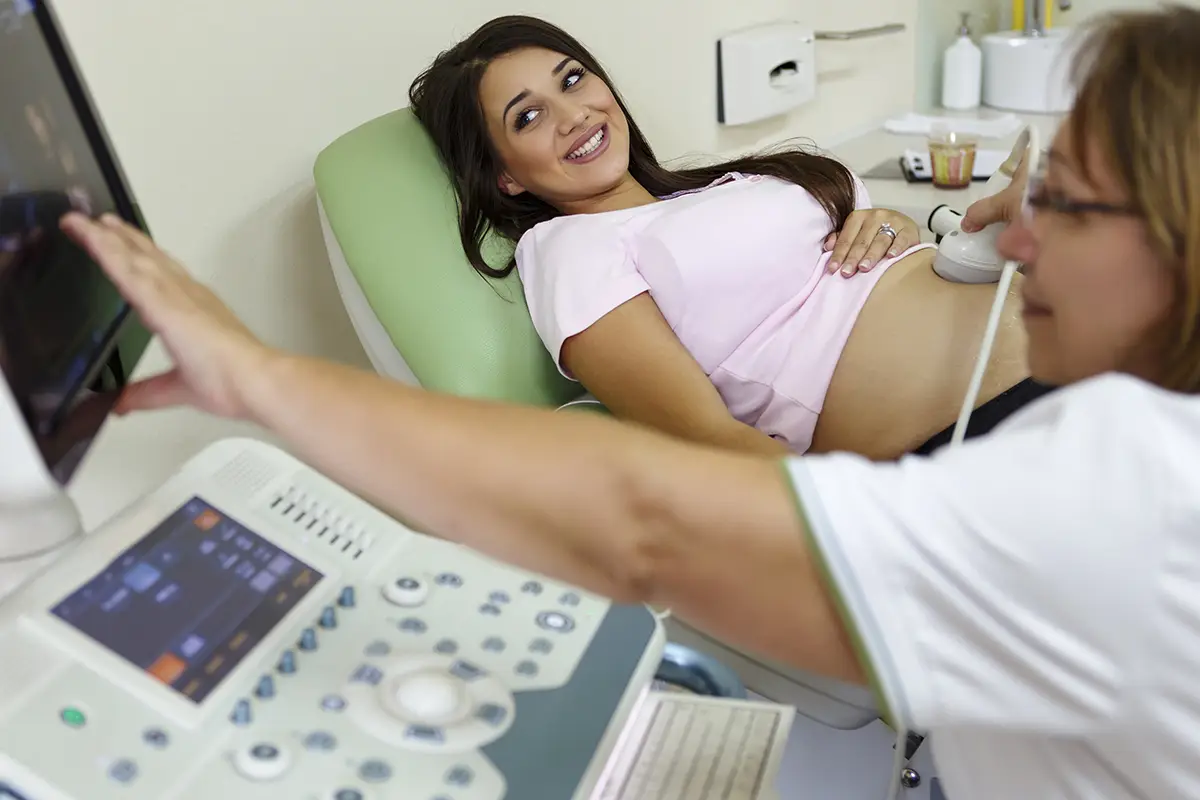
As a Fetal Medicine specialist with over a decade of experience in obstetrics and advanced prenatal imaging, I understand how important it is for expectant parents to receive accurate, compassionate, and clear information when navigating prenatal testing. At MOM Fetal Scans, our focus is to provide invasive prenatal diagnostic tests in OMR with the highest level of clinical safety, patient comfort, and diagnostic accuracy. These procedures—primarily Amniocentesis and Chorionic Villus Sampling (CVS)—help identify chromosomal or genetic conditions early in pregnancy, enabling families to make informed, confident decisions about their care.
Invasive testing can feel overwhelming, but when performed by a trained specialist, it becomes a structured, safe, and transparent process. My responsibility is to ensure that every mother understands why a test is recommended, what to expect, what results mean, and how these results support pregnancy care. At MOM Fetal Scans, every procedure follows stringent evidence-based protocols, and every patient receives personalised counselling before and after the test. With our advanced equipment, sterile environment, and specialist-led approach, we aim to offer the most reliable prenatal invasive testing center in OMR for families seeking clarity, reassurance, and expert guidance.
Amniocentesis – Diagnostic Accuracy in the Second Trimester
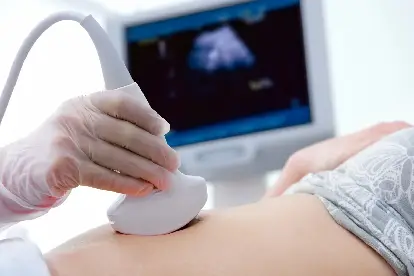
Amniocentesis is a prenatal diagnostic test usually performed after 16 weeks of pregnancy. The procedure involves collecting a small sample of amniotic fluid under continuous ultrasound guidance. This fluid contains fetal cells, which are analysed to identify chromosomal abnormalities, genetic disorders, neural tube defects, and selected fetal infections. Amniocentesis remains one of the most reliable diagnostic tools in fetal medicine.
At MOM Fetal Scans, amniocentesis is personally performed by me using advanced ultrasound techniques to ensure accuracy and safety. The procedure is brief and generally well tolerated. After the test, mothers are guided with clear after-care instructions and closely followed up. The results provide definitive answers that support informed decision-making and personalised pregnancy care.

Amniocentesis – Key Benefits
- Provides definitive chromosomal diagnosis
- Detects genetic and inherited disorders
- Helps assess neural tube defects
- Guides advanced pregnancy planning
- High diagnostic accuracy under expert care

