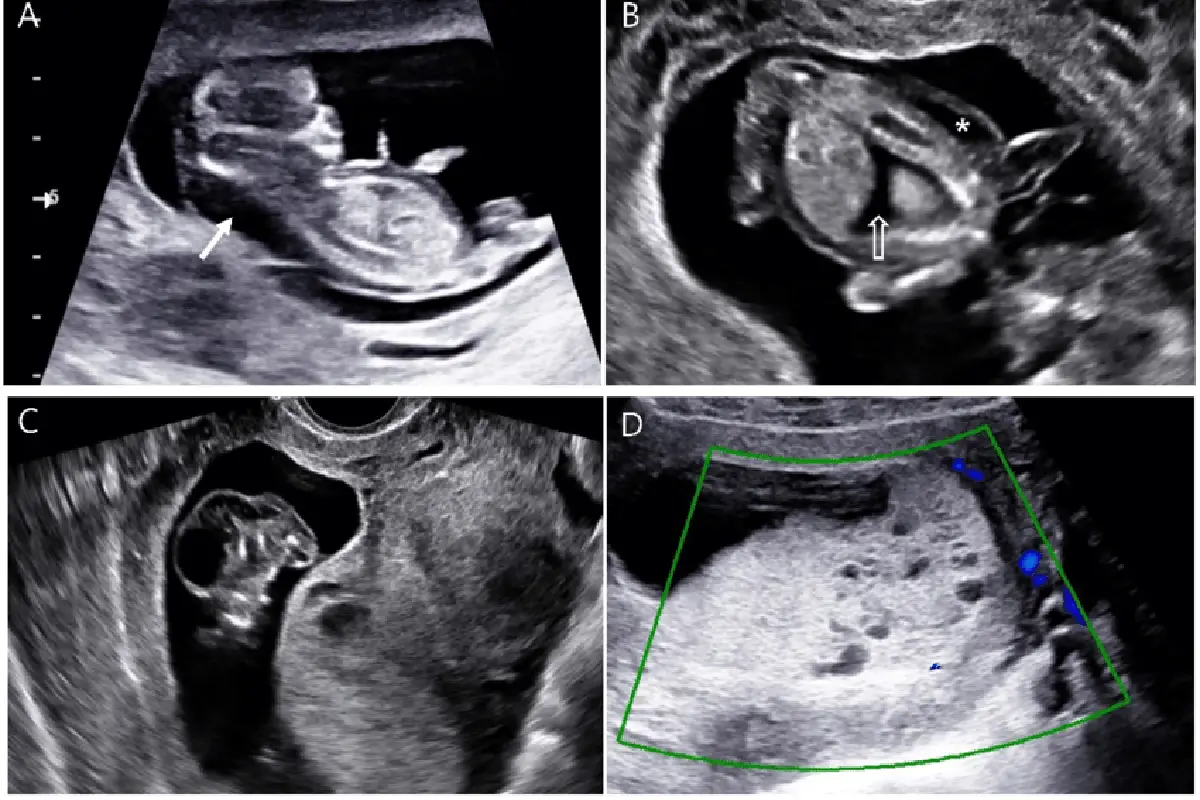
Introduction for Nuchal Translucency (NT) Scan
As a Fetal Medicine Specialist, my focus at MOM Fetal Scans is to ensure that every pregnant woman receives safe, accurate, and compassionate early pregnancy care. One of the most important first-trimester evaluations is the Nuchal Translucency (NT) Scan, also known as the nuchal thickness scan, nuchal fold scan, NT nuchal translucency test, or simply nuchal translucency scan. Performed between 11–14 weeks, this scan offers essential clarity about your baby’s chromosomal health and overall development. Using advanced fetal imaging and internationally approved protocols, I make sure each mother receives reliable guidance in the earliest weeks of pregnancy.
The first trimester can bring excitement and understandable anxiety for many parents-to-be. The NT scan becomes the first meaningful milestone, giving reassurance that your baby is developing well. At MOM Fetal Scans, I believe every mother deserves clarity, comfort, and accurate information. This page explains everything you need to know — what the scan is, why it matters, when to do it, how it works, how to prepare, and what to expect afterward.
What Is a Nuchal Translucency (NT) Scan?
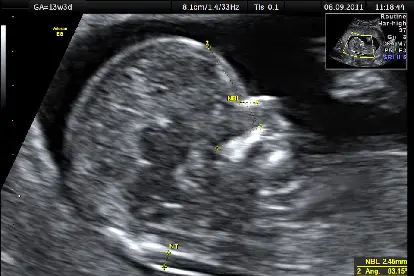
A Nuchal Translucency (NT) Scan measures the fluid-filled space at the back of your baby’s neck, a normal area seen during early pregnancy. A thicker measurement may indicate a higher chance of chromosomal conditions such as Down syndrome (Trisomy 21), Edwards syndrome (Trisomy 18), and Patau syndrome (Trisomy 13). At MOM Fetal Scans, this critical Early Pregnancy Scan in Thoraipakkam, OMR is performed with precision to ensure accurate interpretation for every mother.
This scan is non-invasive and painless. Apart from the NT measurement, I also assess the nasal bone, early organ structures, heartbeat, and fetal profile, offering a complete picture of your baby’s development. The goal is not just measurement, but meaningful insight. After the scan, I explain every detail clearly, so you feel informed rather than overwhelmed.

Key Advantages of an NT Scan
- Helps identify early risk indicators
- Safe and non-invasive screening
- Provides reassurance regarding fetal development
- Supports early decision-making
- Performed using high-resolution ultrasound
When Should You Get an NT Scan?
The ideal window for an NT scan is 11 weeks to 14 weeks. This timeframe allows accurate measurement because the baby’s size and the natural fluid space are clearly distinguishable. Before or after this period, the measurement loses accuracy. This is why I encourage all expecting mothers to plan their Early Pregnancy Scan in Thoraipakkam, OMR as soon as they enter the 11th week.
Having the scan at the right time also ensures that additional tests like the dual marker test or NIPT can be performed without delay. Timely screening empowers families with early clarity and helps avoid unnecessary stress.
Why The Timing Matters
- Ensures measurement accuracy
- Aligns with global screening standards
- Helps plan further blood tests or NIPT
- Avoids repeated scans
- Ensures optimal fetal visibility
Who Should Get an NT Scan?
The NT scan is recommended for every pregnant woman, regardless of age or risk factors. It forms a routine part of first-trimester screening worldwide. Whether this is your first pregnancyor your third, the NT scan gives essential early insights into your baby’s health. At MOM Fetal Scans, several families trust this evaluation for its accuracy and comfort-focused approach.
Certain cases require even more attention during early screening. Mothers above 35 years, those with IVF pregnancies, families with a history of chromosomal conditions, and women who have had previous complications benefit greatly from a detailed NT scan. As a Fetal Medicine Specialist, I ensure that these risk profiles receive thorough evaluation and personalized guidance.
Recommended For
- All pregnant women
- Mothers aged 35+
- IVF / ICSI pregnancies
- History of genetic disorders
- Pregnancies with early complications
How Is the NT Scan Performed?
The NT scan is performed using a high-quality abdominal ultrasound. A gel is applied to your abdomen to enhance image clarity, and the ultrasound probe helps visualise the baby in detail. The scan usually takes 15–20 minutes, and during this time, I measure the nuchal fold with precision, ensuring the angle and clarity meet international guidelines.
Your baby’s movement or position sometimes requires slight adjustments, such as turning to one side or taking a short walk. These small steps help achieve clearer images. Many mothers enjoy watching their baby’s early activities during the scan — gentle movements, heartbeat, and profile — making this a memorable experience.
What You Will Experience
- Comfortable abdominal ultrasound
- Real-time view of your baby
- Accurate NT measurement
- Assessment of nasal bone + heartbeat
- Immediate explanation of findings
What Does the NT Scan Detect?
While the NT scan does not diagnose conditions, it helps evaluate the likelihood of chromosomal abnormalities. A higher-than-normal NT measurement may indicate the need for further tests. However, many babies with slightly increased NT turn out completely healthy. The interpretation must always be done carefully and scientifically — I ensure that you receive an accurate and balanced explanation.
The NT scan also helps identify early markers of heart defects, structural concerns, or fluid imbalances. When combined with blood tests, it forms the foundation of early prenatal screening.
The NT Scan Helps Identify
- Risk of Down syndrome
- Risk of Edwards syndrome
- Risk of Patau syndrome
- Early markers of structural issues
- Overall early fetal wellbeing
How to Prepare for an NT Scan?
You do not need to fast or adjust your daily routine for the NT scan. Having a moderately full bladder helps improve ultrasound visibility, so drinking some water 30–45 minutes before your appointment is sufficient. Comfortable clothing makes the process easier, especially when lying down for the scan.
Bringing your previous medical files and ultrasound reports helps compare development and ensures the most accurate evaluation. Emotional comfort is equally important — at MOM Fetal Scans, we create a calm, supportive environment so mothers feel confident and relaxed.
Preparation Checklist
- Keep a moderately full bladder
- Wear loose, comfortable clothing
- Bring previous ultrasound reports
- Arrive on time to avoid rush
- Stay calm for better imaging
Are There Any Risks or Limitations?
The NT scan is 100% safe. It uses ultrasound waves, not radiation, making it completely harmless to you and your baby. It is one of the most widely recommended prenatal screening tests worldwide. However, it is important to understand that the NT scan is a screening test, not a diagnostic one.
The scan may have limitations based on fetal position, maternal factors, or technical aspects. Sometimes the NT measurement may appear slightly high even when the baby is perfectly healthy. Proper interpretation is essential to avoid unnecessary worry — I ensure that every mother receives clear, evidence-based guidance.
Limitations to Know
- NT is a screening, not diagnostic
- Requires blood tests for full accuracy
- Baby’s position may affect clarity
- Further testing may be advised
- Not all anomalies are detectable early
What Happens After the NT Scan?
After the scan, I review the NT measurement, nasal bone status, and early fetal markers. These are combined with your maternal age and available blood tests to calculate your baby’s risk score. I explain everything in simple terms, so you clearly understand whether the result is low-risk or if additional screening is recommended.
If the result is reassuring, you can continue routine prenatal care confidently. If the screening suggests higher risk, I will guide you through next steps such as NIPT or diagnostic tests—always with compassion, clarity, and full support.
After-Scan Outcomes
- Detailed scan report
- Clear explanation of NT findings
- Combined risk assessment
- Guidance on further tests
- Emotional reassurance and support
Conclusion
The Nuchal Translucency (NT) Scan is a powerful first-trimester tool that ensures early reassurance, clarity, and responsible antenatal care. Whether called the NT scan, nuchal translucency scan, nuchal fold scan, or nuchal thickness scan, its purpose remains the same — to help expectant parents understand their baby’s early health.
At MOM Fetal Scans in Thoraipakkam, OMR, I, Dr. Subhashini Ravi, ensure that every NT scan is performed with precision, compassion, and clear communication. My goal is to support you through every step of your pregnancy with confidence and scientific guidance.
Book your Early Pregnancy NT Scan at MOM Fetal Scans in Thoraipakkam, OMR today and begin your pregnancy journey with expert guidance and complete clarity.
Frequently Asked Questions (FAQ)
A normal NT measurement usually falls between 1.2 mm to 2.0 mm, and anything below 3.5 mm is generally considered within the normal screening range.This measurement helps determine if the pregnancy needs any additional tests for reassurance.
It checks the fluid at the back of the baby’s neck to assess the risk of chromosomal abnormalities such as Down syndrome, Edwards syndrome, and Patau syndrome.It also provides early insights into your baby’s growth and structural development.
The NT scan should be done between 11 and 14 weeks, usually when the baby’s crown-rump length is 45–84 mm.Doing it within this exact time window ensures the highest accuracy and clarity.
You may be asked to have a moderately full bladder, wear comfortable clothing, and bring previous reports. No fasting is required.Being relaxed during the scan helps produce clearer and quicker results.
No. The NT scan is safe, painless, and non-invasive, and it typically takes 15–20 minutes.It is routinely recommended worldwide as part of healthy first-trimester care.

